

Caring, Modern, and Empirical Student Wellbeing
Care & Conduct aligns parents, schools, and scholars to approach student wellbeing, pastoral care, and risk-related behaviour proactively, not punitively.
Through awareness, education, and empiricism, we strive to destigmatise the most prevalent issues facing students today.
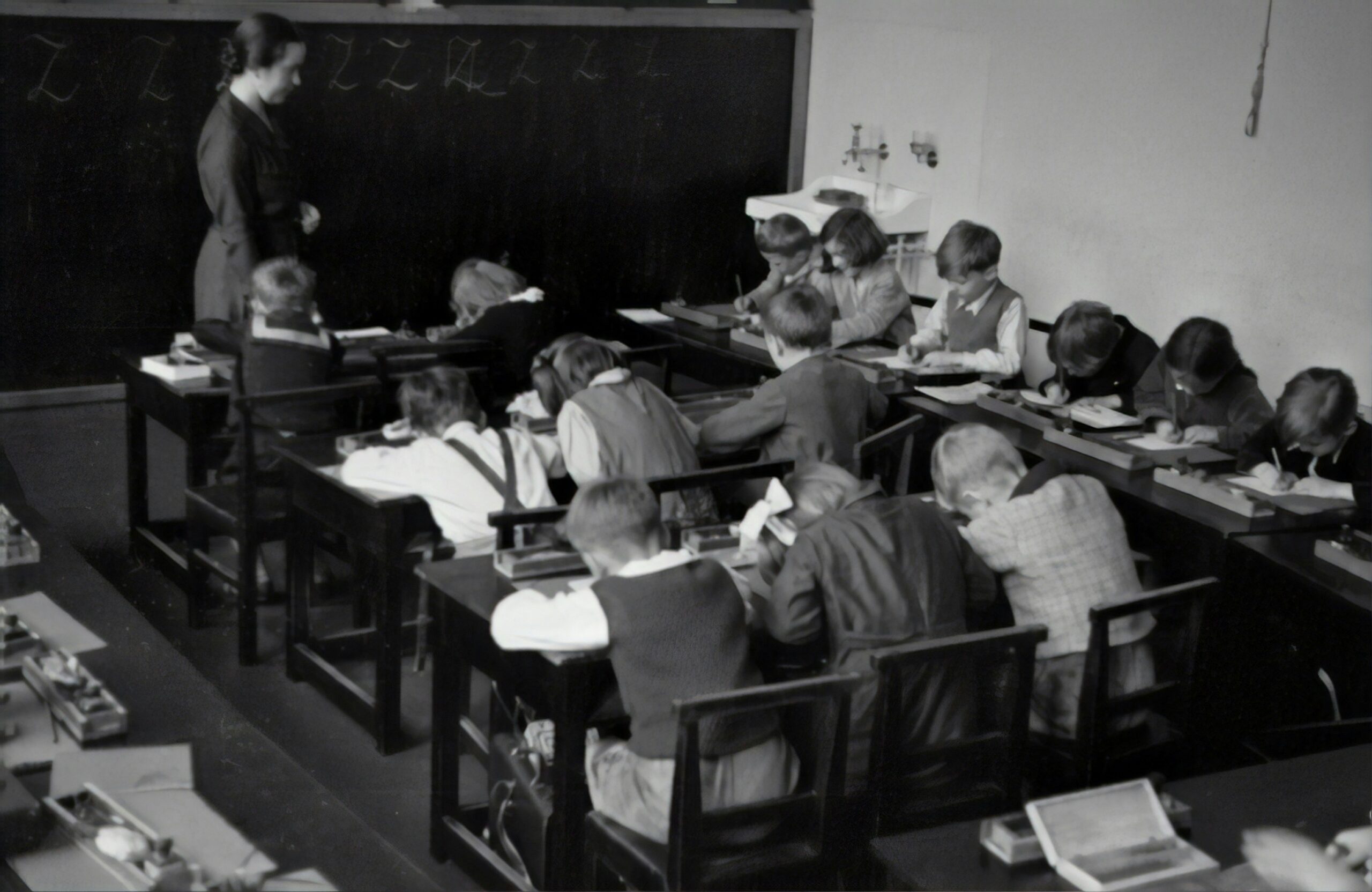

Beyond the Stone Age…
As students grapple with an onslaught of novel dangers, schools keep treating risk-related behaviour as a moral failing.
While the world embraces the necessity of mental healthcare, our educational institutions are stuck in antiquity.
A new way is required to help students navigate their world and endure a potent complement, The Four Horsemen of Modernity.
The Four Horsemen of Modernity

Gaming and Screens
Ofcom reports that 13-14 year olds have an average screen time of 3-4 hours (excld. gaming consoles). Additionally, the same report notes that nearly half of children regret purchases made on social media.

Substances
WHO research conducted in Europe, Asia, and North America found that 57% of surveyed 15-year olds had tried alcohol once and 37% reported having consumed it in the past 30 days.

Pornography
According to UK’s Children’s Commissioner, the average age at which under-18s encounter porn is 13, while 10% of nine-year olds report already having encountered it.

Body-image Issues
Research on children aged 10-17 in the UK and other countries found that 55% of them reported body-image dissatisfaction, with that rate positively correlated with social media screen time.
The Best Way Forward

01
Audit
We read your existing Code of Conduct, disciplinary procedures, and public stances on risk-related behaviour, and examine the school environment as experienced by students, staff, parents, and other stakeholders.

02
Identify
We map the risk-related behaviours that most need attention by likelihood and severity, then highlight the gaps in your current wellbeing approach and the environmental factors that aggravate or attenuate them.

03
Develop
In consultation with leadership, teachers, and other parties you designate, we build a comprehensive strategy aligned to your school’s values, capabilities, and goals, followed by a pragmatic action plan.

04
Implement
We deliver a roadmap of touchpoints across the school year, shaped to fit your annual schedule, and brief staff on new policies and procedures with the materials they need to carry them.

05
Align
We run workshops, talks, and educational sessions with parents and students so that the strategy isn’t a staff-only document but a shared, 360-degree approach with genuine buy-in.

06
Review and Refine
At year-end we gather feedback from parents, teachers, staff, and where appropriate students, then use it to refine the strategy for the year ahead.